
Through gardening, we're not just growing plants
we're cultivating confidence, capability and change.
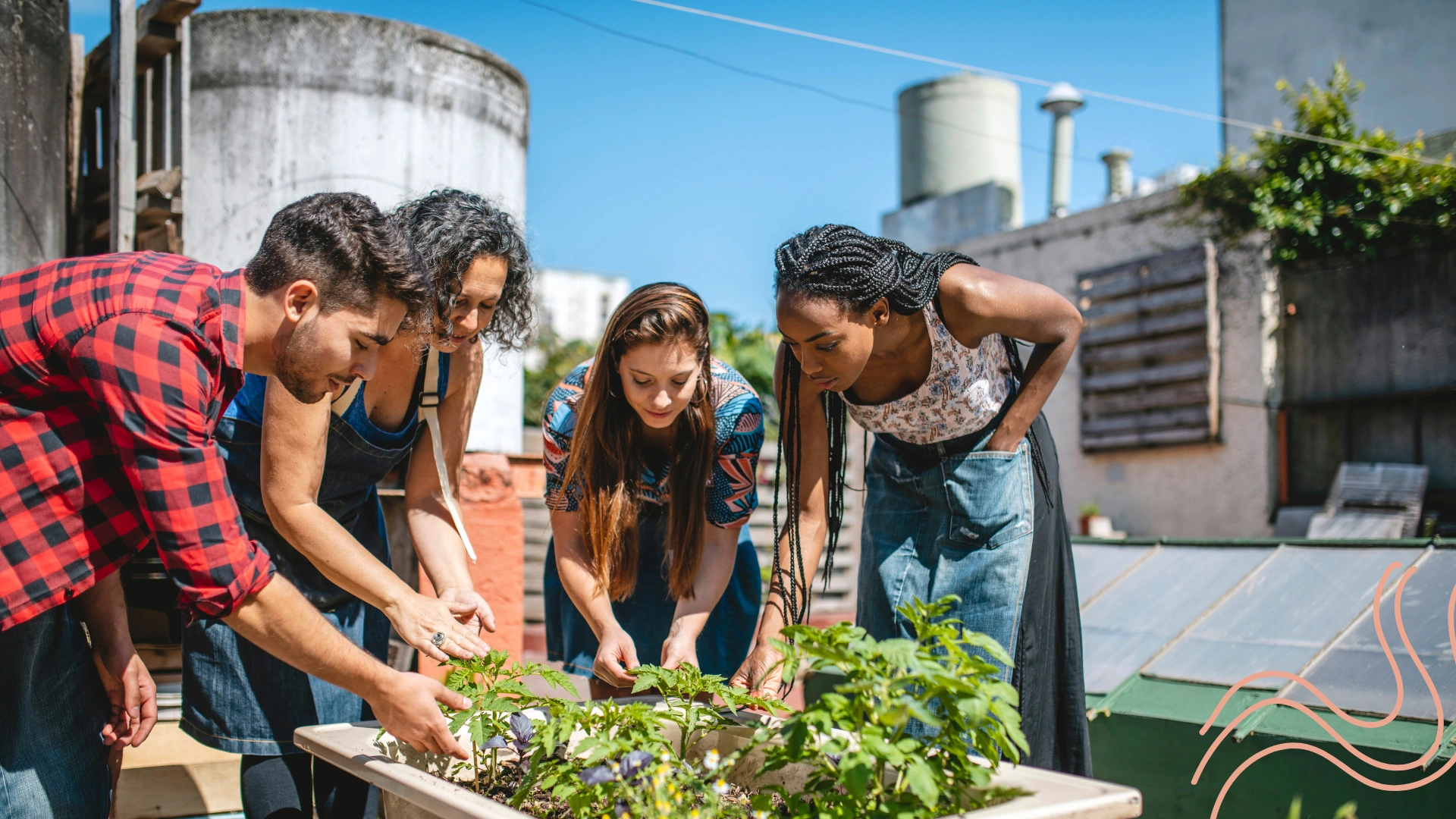
Our mission
Planting Pathways empowers at-risk people to transform their lives through a trauma-informed, therapeutic gardening and landscape program.
We combine hands-on learning with alcohol and other drug (AOD) education and restorative practices, creating safe, supportive environments where people develop resilience, purpose, and the skills to build positive futures through connection to the earth and community.
What is Planting Pathways
Planting Pathways is a trauma-informed therapeutic gardening program for individuals who need to reconnect with community through alternative means than the traditional methods.
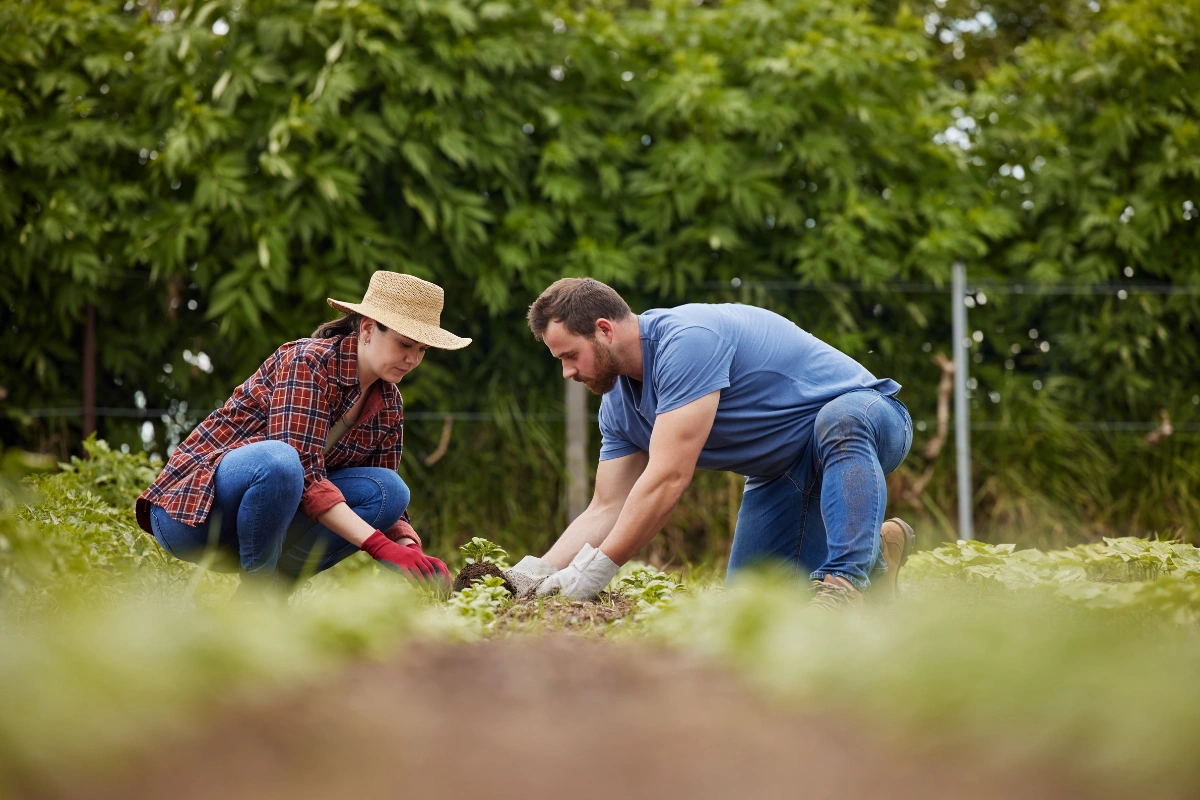
We run from a fixed site in Sunshine, Victoria. Participants work in small crews of 3 alongside a facilitator — building, planting, maintaining and contributing to a real piece of work that the community can use.
Woven through the gardening work is structured discussions in harm reduction and restorative practices. These aren’t delivered as lectures or therapy sessions - they are short, guided conversations embedded in the rhythm of the day, connected to what the participant is already experiencing in the garden.
The program is built on the understanding that individuals who have experienced adversity and system involvement are not defined by risk. They have strengths, interests, and capacities that systems preoccupied with deficit have often missed. The garden is the place where those strengths become visible and useful.
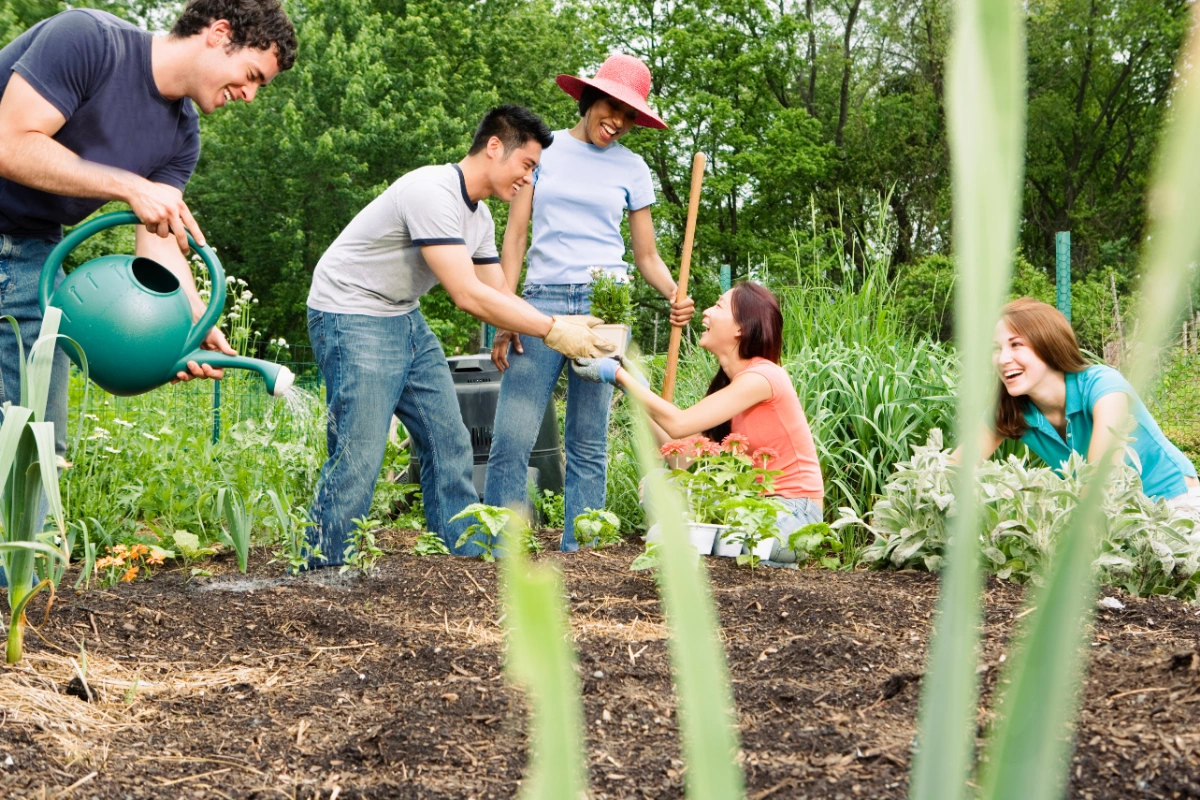
Community Gardening
Participants engage in vocational skill-building, including garden design, construction (such as building raised beds and greenhouses), soil preparation, and sustainable harvesting.
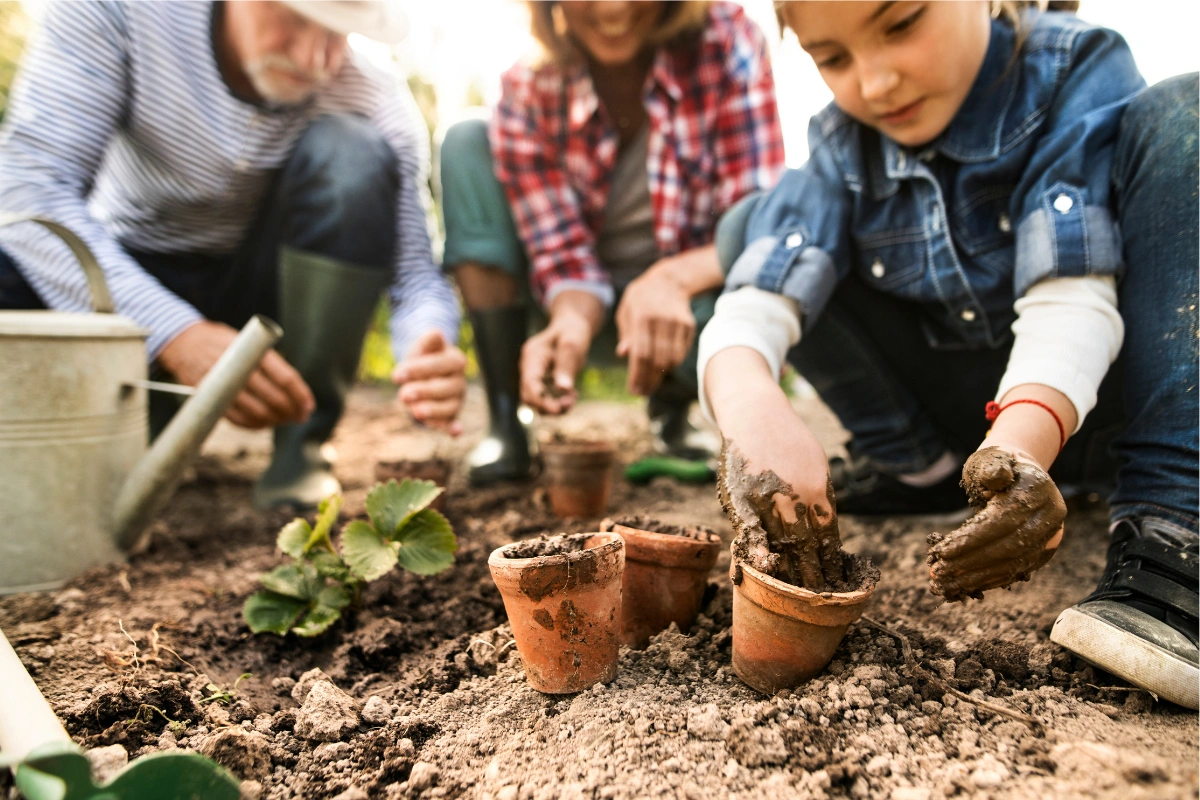
AOD Education
This stream focuses on harm reduction. Participants learn to identify triggers, develop healthy coping strategies, and understand the links between substance use, finances, and mood.
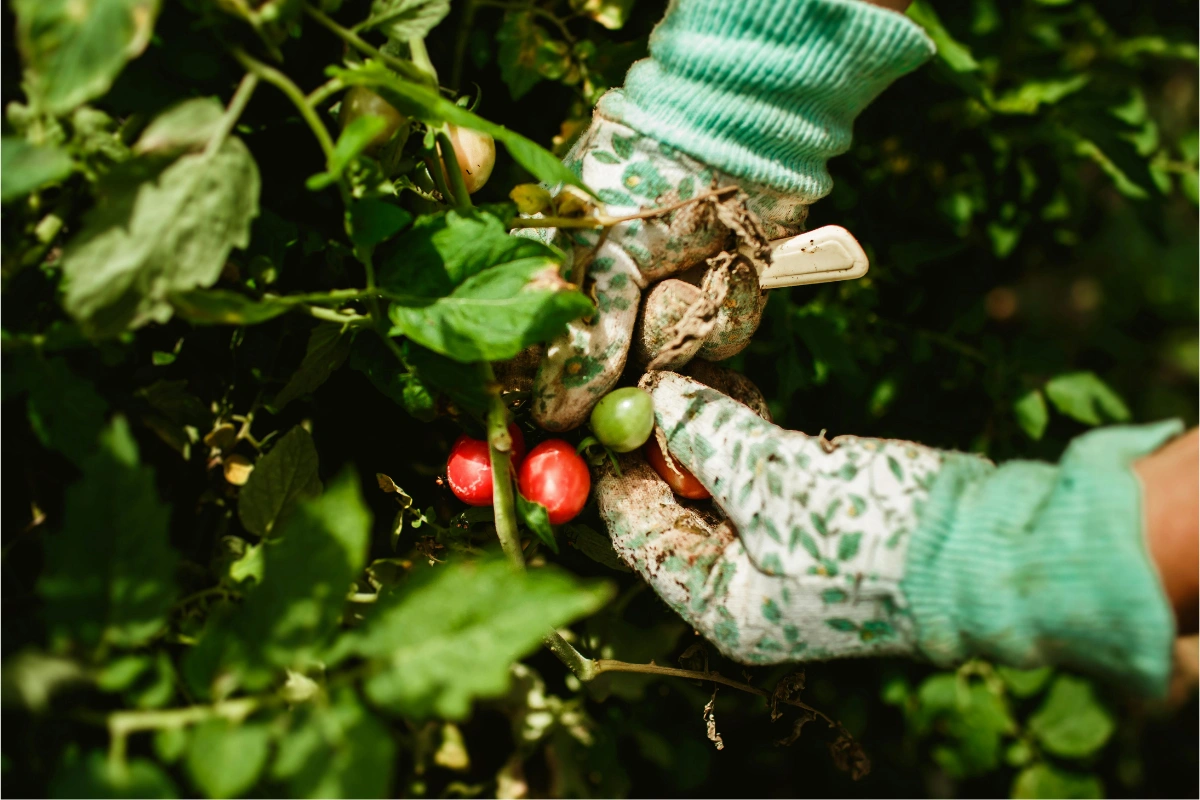
Restorative Practice
This stream encourages participants to take active responsibility for their actions. Discussion topics include the impact of behaviour on shared spaces, creating team agreements, repairing harm, and building a positive personal legacy.
More about the program
At a glance
Duration: 18 session program
Hours: 3 hours per session
Session timing: 8.00am - 11.00am or 12.00pm - 3.00pm
Days: Operates Monday to Sunday
Who can participate?
Planting Pathways works with individuals who are typically dealing with some combination of escalating AOD use, offending behaviour, placement instability, disengagement from education or employment, and limited prosocial connections.
We do not require individuals to be abstinent, motivated, or easy to work with. We do require that they are physically able to engage in outdoor work, able to function in a small group setting, and stable enough to attend regularly.
When a referral is likely to be a good fit
The individual has current involvement with a referring and supporting agency, Criminal and justice system, Child Protection, Housing or Accommodation support service, drug and Alcohol Service or Aboriginal service.
Their current situation is stable enough to support regular attendance
They are physically capable of engaging in manual labour
How do we get started and what’s involved?
The Planting Pathways client pathway consists of five steps, from initial referral through to program exit and transition:
Referral & baseline information – Complete the Planting Pathways Referral and Baseline Form. This gives us the detail we need to plan and ensure the tailor the program to suit the individual.
Participant consultation – This is the most important step in the pathway. We want to meet the participant where they feel safest.
Suitability & enrolment – We conduct a thorough review of all referral and consultation information to make an honest assessment of whether we can meet the participant's needs safely.
Program delivery – The participant receives a welcome pack containing gardening PPE and content resources to begin their program. Regular progress updates are provided throughout, including a brief mid-point check-in.
Transition & reporting - A series of discussions are held about what they have built and grown, what skills they have learnt and demonstrated and what happens next after their program.
What is the cost of the program?
Planting Pathways works on a transparent, fee-for-service basis, so your organisation only ever pays for what's actually delivered. We invoice weekly against itemised sessions. Contact us for a pricing guide.
Currently accepting referrals
We believe every person deserves the opportunity to grow, heal, and thrive through meaningful connection with the land, their community, and themselves.
Know someone who could benefit from this program?
We'd love to hear from you.
Let's get started
Please complete your details below and we'll be in touch with you within 2 business days.
For any urgent enquiries, please email or phone us on 0411 300 643.

Help us cultivate confidence, capability and change in peoples' lives.
If you know someone who might benefit from the Planting Pathways program, we're here to help.
Reach out today to start the conversation.
Welcome to Your Sunshine
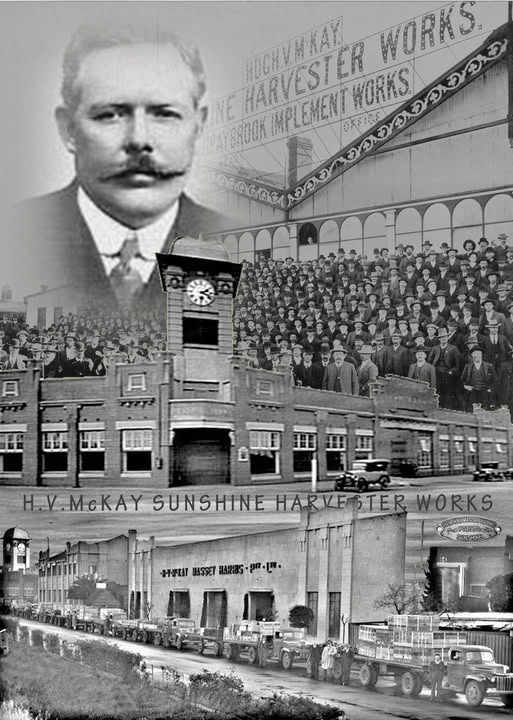
Planting Pathways is run out of Sunshine and as it turns out, it's named after 1 kid who refused to give up.
Back in 1884, there was an 18-year-old called Hugh Victor McKay. He wasn't rich. He didn't have connections. He was just a teenager standing in the dirt on his dad's farm, sick of watching his family break their backs at harvest time. So he decided to do something about it. In a tiny backyard workshop — basically a shed — he built a machine that could strip, clean, and bag grain all at once. No one had done that before. He was 18.
But here's the part of the story most people skip over.
It didn't just work out. In 1895, McKay lost everything. The economy crashed, his business went under, and he was basically told he was done. A lot of people would have walked away. He didn't. He picked himself up, rebuilt his machine, and gave his whole operation a new name: Sunshine. Because he believed that even after the worst times, light comes back.
In 1904, he moved to a place called Braybrook Junction — a patch of land in Melbourne's west with maybe 20 houses. Most people saw nothing. McKay saw something worth building. He didn't just set up a factory. He built homes for his workers. He gave the area electricity. And he created gardens — actual community gardens — because he believed that people do better when they're connected to the land and to each other. By 1907, the whole town was renamed Sunshine after him.
One kid with a shed changed the name on the map.
So why am I telling you this?
Because what you're about to do over the time at the program has more in common with McKay's story than you might think.
Growing something, whether it's a machine or a garden, starts the same way. You clear out what isn't working. You put in the groundwork. You show up, even on the days you don't feel like it. And then, bit by bit, things start to grow.
Maybe things haven't gone the way you wanted them to so far. Maybe you've had some setbacks, your own version of losing everything and starting over. That's alright. McKay did too. And he was standing on that same ground in Sunshine when he decided his story wasn't finished yet.
That's the same ground you'll be working on with us. That's what Planting Pathways is about. You're not just here to learn about plants. You're here to build something — for yourself. Something that proves what you're capable of when someone gives you the space to grow and you decide to take it.
McKay turned a shed into a suburb.
You're starting with a garden.
Let's see what YOU turn it into.